
Blog & news
What is a managed firewall, and why does it matter?
16/04/2026 · lbritton.admin
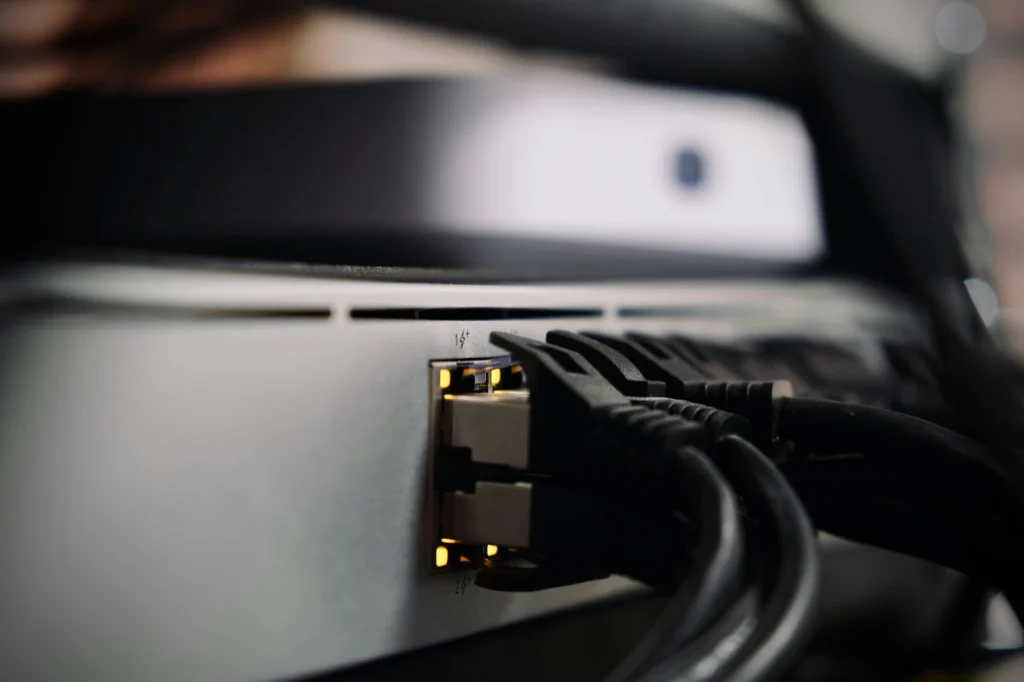
Almost every router technically has a firewall built in, which is exactly why the term “managed firewall” causes confusion — the question isn’t whether you have one, it’s whether anyone is actually managing it.
The default firewall problem
A firewall configured once, at installation, and never touched again gradually becomes less effective — not because the hardware degrades, but because the threat landscape around it keeps changing while the configuration stands still. New vulnerabilities and attack methods emerge constantly; a static, unmonitored ruleset simply can’t keep pace with any of it.
What “managed” actually adds
A genuinely managed firewall means rules are actively reviewed and updated as the business changes, security patches are applied promptly rather than occasionally, and there’s active monitoring watching for suspicious activity — someone whose job it is to notice, rather than infrastructure quietly doing its default job unwatched.
Rule review — the part that’s easy to skip
As a business adds new software, systems or remote access requirements, firewall rules need updating to match — new access needs to be permitted, and anything no longer needed should be removed. Rules that accumulate without ever being cleaned up are a common, quiet source of unnecessary exposure over time.
Patching promptly, not eventually
Firmware and security patches for firewalls close known vulnerabilities as they’re discovered, but only if applied in good time — a delay of weeks or months between a patch being released and it being installed leaves a known, publicly documented gap open in the meantime. Consistent, prompt patching is one of the least glamorous and most important parts of proper management.
Monitoring: catching the problem before it’s a crisis
Active monitoring means unusual activity gets flagged and investigated quickly, rather than discovered days or weeks later once real damage has already been done. This is the piece that turns a firewall from a passive device into an active layer of defence.
How to tell whether yours is genuinely managed
Ask three direct questions: when were the rules last reviewed? When was the firmware last patched? Who would be alerted, and how quickly, if something suspicious happened? If those answers are vague or nobody in the business can confidently give them, the firewall is probably not being managed in any meaningful sense, regardless of what the original contract called it.
Getting a proper managed firewall in place
If you’re not confident in the honest answers to those three questions, get in touch and we’ll review your current setup and tell you plainly what’s actually being managed and what isn’t.