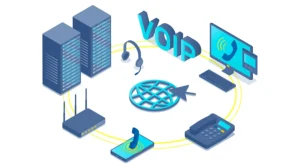
The shift to hybrid work has, overall, been a massive benefit for flexibility and talent retention, I think we can all agree on that. But, and this is a crucial but, it dramatically complicates things from a security and network stability standpoint. When the entire team was physically in the office, protecting the network was relatively straightforward, you secured the perimeter. Now, that perimeter has scattered across dozens of different kitchens, spare rooms, and garden offices.
Frankly, that sudden scattering creates some hidden vulnerabilities, especially when it comes to keeping your communications (VoIP) and data flowing safely (Broadband). It’s not about mistrusting your staff, of course, but about mitigating the very real risks inherent in consumer-grade setups.
The Home Network Blind Spot
Most employees are using standard residential internet packages and equipment provided by their ISP. This gear, while fine for streaming movies, usually lacks the advanced security features, regular firmware updates, and centralised management you’d expect from business infrastructure. It’s a blind spot.
What happens when a colleague is using an unsecured, personal device on the same home network as their work laptop and VoIP handset? Or maybe their home router hasn’t been updated in years? That single weak link becomes a potential entry point for hackers looking to jump onto the network your work-critical data is moving across. Sometimes, it’s just pure chaos on the home network, kids streaming, smart devices running wild and that destabilises the VoIP connection, making calls sound terrible, which is frustrating for everyone.
Securing the VoIP Connection
VoIP systems are, generally speaking, secure, but the endpoint (the actual phone or softphone app) needs careful management. Without the controlled environment of the office firewall, a couple of things can go wrong:
- Eavesdropping: If the VoIP traffic isn’t properly encrypted, it can potentially be intercepted by someone malicious who has breached the home network.
- Toll Fraud: If an external system manages to gain access to a remote extension, they can potentially rack up enormous international calling bills, often before anyone notices.
The Fix: You need to ensure your VoIP provider enforces strong encryption protocols and that all remote handsets or softphone apps are configured to use secure connections (like VPNs or specific secure transport layers). This is really where a managed service comes into its own; they handle the heavy lifting of securing every single endpoint, wherever it happens to be located.
Robust Broadband for Robust Security
Security protocols, like running a strong Virtual Private Network (VPN), aren’t lightweight. They require decent bandwidth and, crucially, a stable, reliable connection to maintain. If your home broadband is flaky, the VPN will constantly try to reconnect, leading to dropped video calls, failed file transfers, and general frustration and, that often leads employees to try and bypass the security measures just to get their work done, which, obviously, is disastrous.
The Fix: While you can’t manage every employee’s home ISP, you can insist on standards. Encourage the use of quality business-grade hardware where possible, and ensure the business-critical software (like the VoIP system) is designed to handle latency and jitter gracefully. Perhaps most importantly, you need to ensure the connection to your main office infrastructure is rock-solid (Leased Line, maybe?) so that when dozens of remote workers hit it simultaneously, the core network doesn’t buckle.
Ultimately, the best way to manage the risk of the hybrid model is to treat every remote worker’s setup as a micro-office. You need the centralised visibility and proactive management that Green Star provides, turning those scattered vulnerabilities into a controlled, secure network extension. Otherwise, you’re just inviting trouble, and frankly, who needs that stress?